
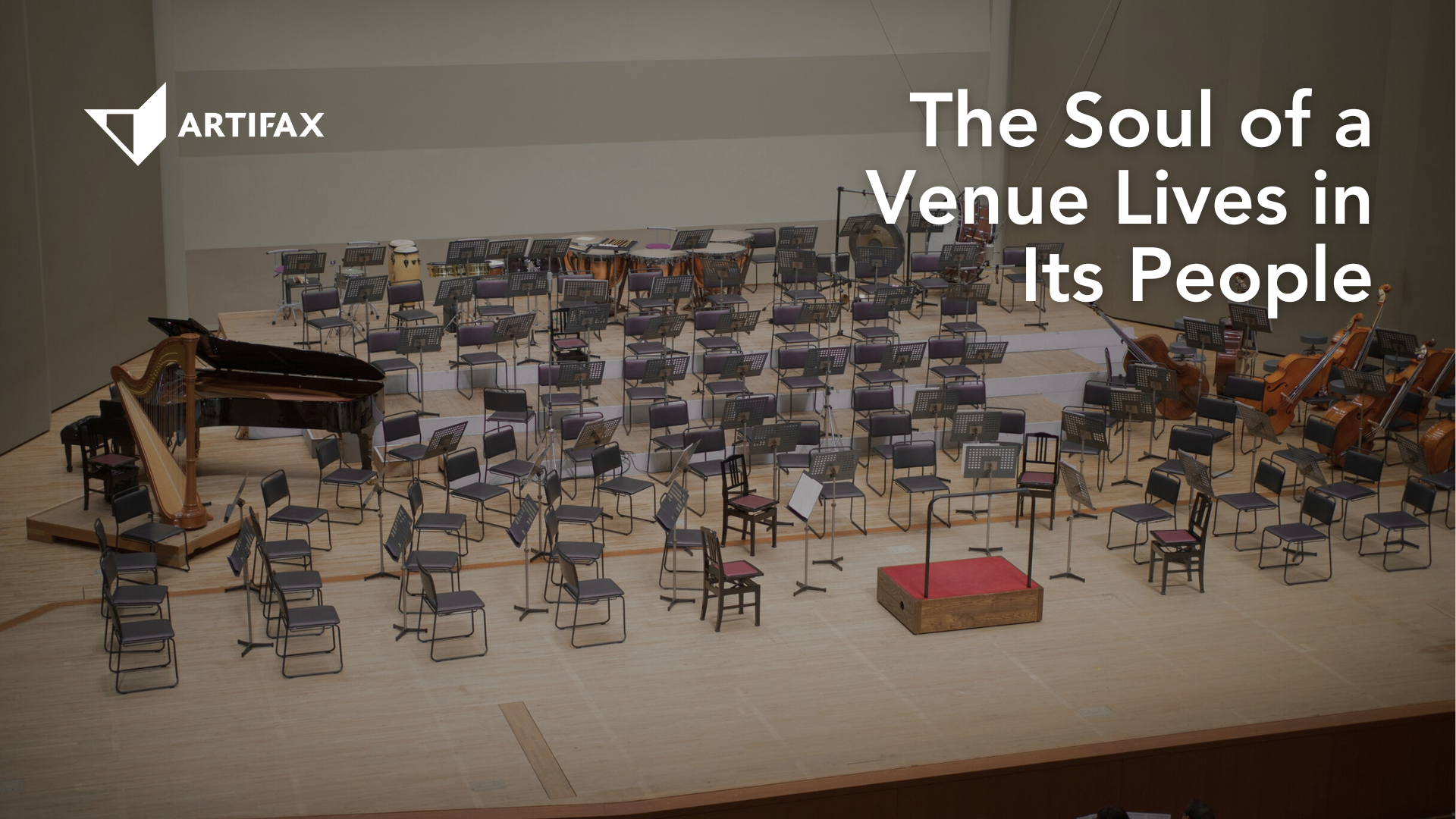
I love a venue tour — especially when it’s a Frank Matcham theatre — so I was delighted to be shown both front and back of house at the London Coliseum, home of English National Opera.
It’s an extraordinary building: London’s largest theatre, rich in history and architectural grandeur. But as magnificent as it is, the visit reinforced something I’ve believed for a long time: the soul of a venue doesn’t live in the building — it lives in its people.
From the moment you arrive at a venue to the moment you step back outside into the real world, it’s the people you encounter who shape your experience. They can elevate it — or undermine it — regardless of what’s happening on stage.
Culture is experienced, not declared
What struck me most about the visit wasn’t just the scale or beauty of the Coliseum, but how deliberately welcome we were made to feel throughout.
That sense of welcome wasn’t accidental. It was consistent, intentional, and clearly shared.
From the warmth of the front-of-house welcome to the knowledge, generosity, and pride shown behind the scenes, the experience felt coherent. Louise Flew and her colleagues didn’t just show us a building — they conveyed the organization’s mission, values, and sense of purpose through their behavior.
Sir Oswald Stoll, the theatre’s founder, would have approved.
This is what strong venue culture looks like in practice:
people who feel valued themselves
people who understand the mission
people who see their role as essential to the whole experience
Culture, in other words, isn’t something you announce. It’s something people feel.
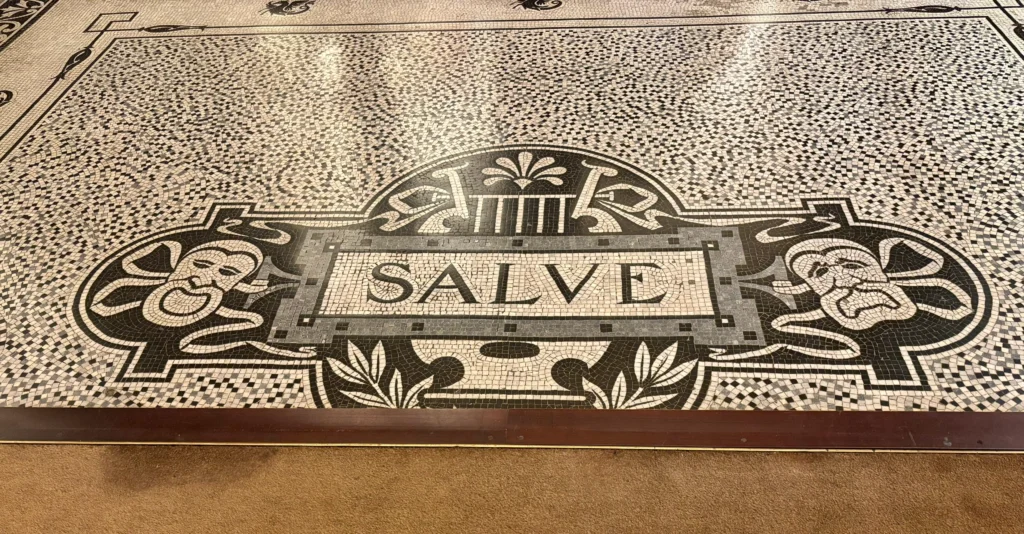
Front of house is not “the front line” — it is the experience
Front-of-house teams are often described as “the front line,” but that framing undersells their importance. They aren’t a buffer between the organization and the audience — they are the organization, in human form.
For most visitors, front of house is the organization they experience.
They:
set the emotional tone on arrival
help visitors navigate unfamiliar spaces
respond to anxiety, excitement, confusion, or frustration in real time
shape how people remember the experience long after the curtain call
In other words, they carry the brand in ways no signage, campaign, or mission statement ever could.
What leaders can learn from great FOH teams
The best front-of-house teams model behaviors that every organization benefits from:
Consistency — the welcome doesn’t depend on who you happen to meet
Empathy — understanding that every visitor arrives with different needs
Clarity — explaining what’s happening without making anyone feel foolish
Pride — in the building, the work, and the experience being created
These behaviors don’t happen by accident. They’re signals of an internal culture that knows what it stands for — and backs that up in practice.
They’re the product of:
clear expectations
good training
trust
leadership that recognizes front-of-house roles as skilled, meaningful work
Why this matters beyond the auditorium
A visitor may forget details of a performance. However, they’ll remember:
how welcome they felt
whether they were treated with patience and respect
whether the venue felt like a place for them
That has implications not just for audience retention, but for reputation, community trust, and long-term sustainability — especially for venues that rely on repeat audiences and deep local relationships.
For venue leaders, the question isn’t whether front of house matters.
It’s whether we’re investing in it accordingly — with time, attention, systems, and recognition.
A reminder worth repeating
Buildings can inspire awe. Programming can move us.
But it’s people — knowledgeable, generous, mission-aligned people — who turn venues into places audiences want to return to.
When a venue gets that right, it shows. And more importantly, it’s felt.