

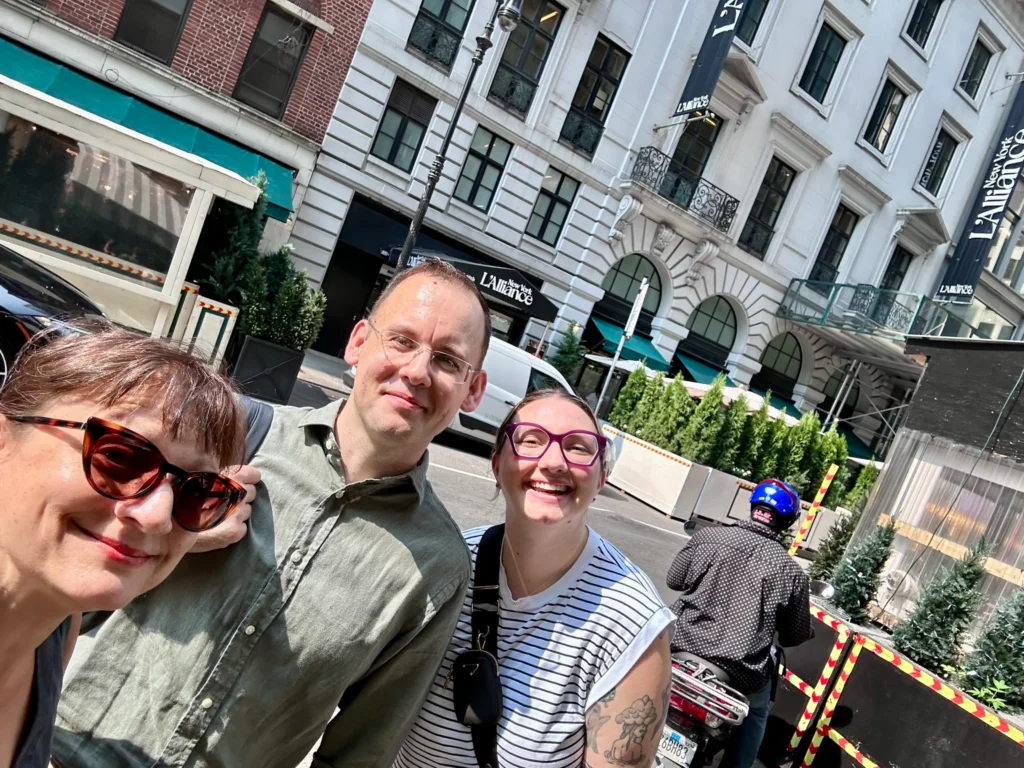
Last week, I visited L’Alliance New York with two colleagues. The moment we walked in, we were greeted with a warm, sincere “Bonjour!” from the receptionist. We were immediately offered information, a place to relax and the kind of unforced hospitality that sets the tone for everything that follows.
When we left, that same staff member wished us farewell with the same warmth.
It was a small moment — yet it had a big impact.
It demonstrated something vital: every visitor matters, and the way we make people feel is a powerful expression of organizational culture.
First impressions set expectations. Last impressions shape memory.
Visitors often remember the very beginning and very end of their experience most vividly. These moments bookend the emotional arc of their visit, therefore they carry disproportionate influence.
A warm welcome can reduce anxiety, build confidence and create a sense of belonging.
A thoughtful farewell can reinforce trust, leave a lasting positive memory and increase the likelihood of return.
In other words, these interactions do more than set the tone. They reveal who you are as an organization.
Are your visitors getting the experience you think they are?
It’s easy to assume we know how visitors feel when they arrive, navigate our buildings, attend an event or leave. However, experience is subjective, and first-time visitors often feel very differently from regular attendees or staff who already understand the flow.
Therefore, it’s important to ask:
- Do our visitors feel welcome from the moment they enter?
- Do our spaces feel intuitive and accessible to people who are unfamiliar with them?
- Are we unintentionally designing for the people we already have rather than the people we want to reach?
Even the most beautifully managed venue can miss these questions if there isn’t a structured way to gather visitor perspectives.
The full customer journey matters — not just the event itself
Customer satisfaction surveys often focus on the event: Was the concert enjoyable? Was the rental successful? Did the show meet expectations?
However, the visitor journey is broader than that. It includes:
- navigating the website
- making an enquiry
- booking a space or ticket
- arriving at the venue
- interacting with staff
- using the facilities
- leaving the building
- follow-up communication
Every touchpoint shapes the relationship.
Consequently, organizations that understand the whole journey — not just the “main event” — are better equipped to build trust, increase engagement and improve satisfaction.
What cultural organizations can do today
Here are some practical steps to understand and improve first and last impressions:
- Invite feedback specifically about arrival and departure Ask: How did you feel when you first arrived? How did you feel when you left?
- Run mystery-visitor exercises Use unbiased observers to evaluate clarity, accessibility and warmth across all touchpoints.
- Audit your signage and navigation Small improvements can significantly reduce anxiety for new visitors.
- Train staff with a focus on empathy, not scripts Authenticity makes a lasting impression.
- Define the visitor journey for rentals and events Map each step and identify where small improvements can create disproportionate value.
Why this matters to us at Artifax
We support venues, cultural centers and arts organizations that care deeply about their audiences. The tools teams use behind the scenes influence how smoothly coordination, communication and planning unfold — and that directly affects the visitor experience.
Therefore, efficient workflows and clear processes aren’t simply operational improvements. They contribute to how people feel when they interact with your organization.
A visitor’s first and last moments with you are powerful. Treat them with intention.