
I don’t believe in horoscopes, but it felt oddly significant that Donna Summer was topping the charts on the day I was born — because I love disco strings, and it surely felt like destiny to find myself at the exuberant, euphoric D.I.S.C.O Prom at the Royal Albert Hall. 🕺🪩🕺
It was joyful, generous, and exhilarating. But beyond the sheer pleasure of hearing beloved dancefloor anthems reimagined for orchestra, the evening offered a powerful reminder of what happens when organizations actively choose not to be cultural gatekeepers.
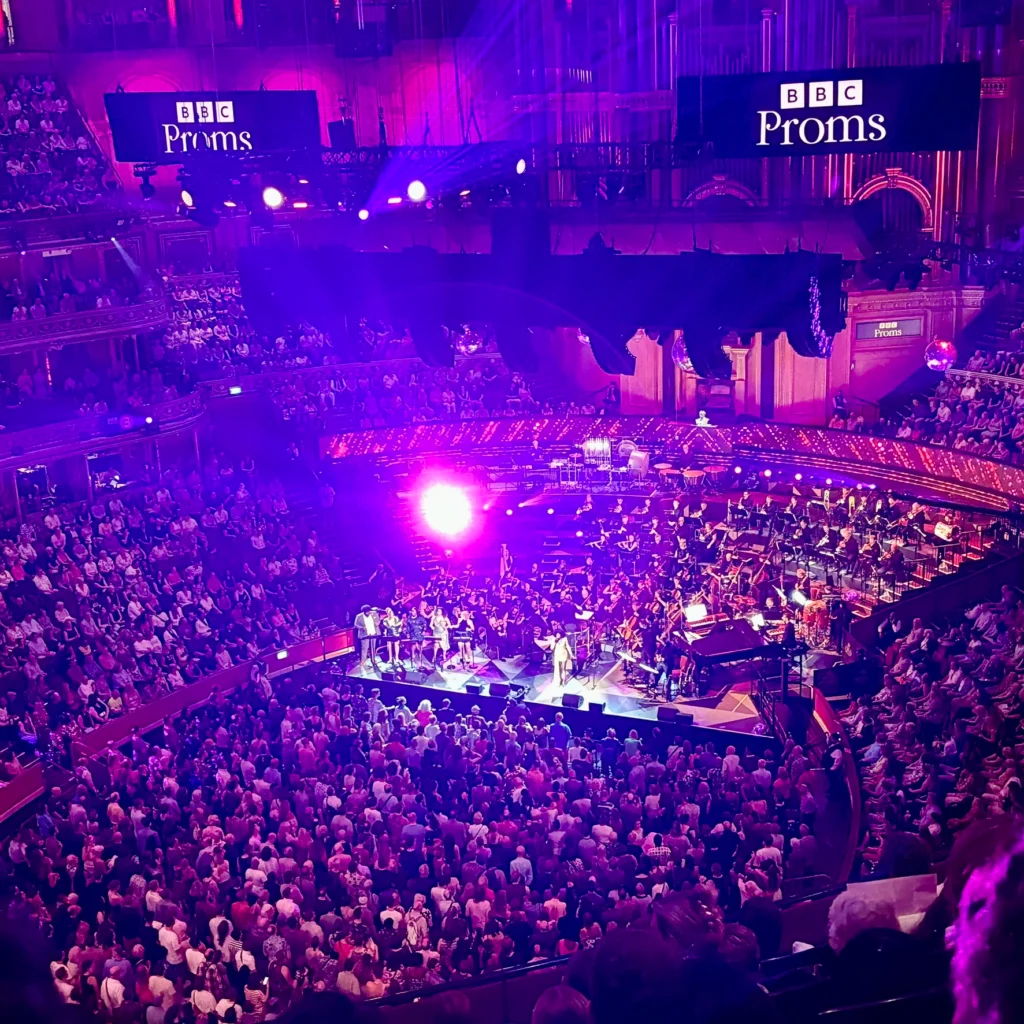
The modern BBC Proms program has evolved far beyond its origins. Alongside the classical canon, it now includes non-classical and non-Western orchestral music, concerts for children, and performances across the UK regions. This isn’t about abandoning standards — it’s about expanding the invitation.
It’s a deliberate act of door-opening.
Gatekeeping isn’t just about culture — it’s about power
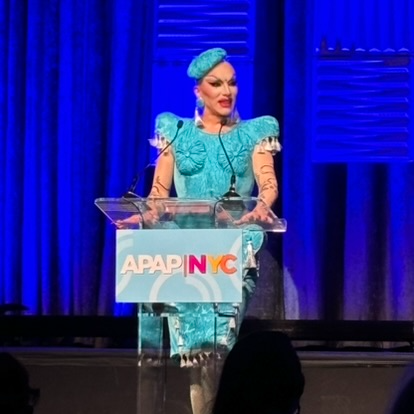
That idea had been articulated clearly for me several months earlier at APAP NYC, where performer and thinker Sasha Velour spoke about the importance of challenging tastemakers and making space for difference. In the same session, Diana Tan captured it perfectly with a call to action:
“Let’s make gatekeepers into door openers.”
At the time, it resonated intellectually. Watching the D.I.S.C.O Prom unfold at the Royal Albert Hall made it tangible.
Gatekeepers don’t only exist in arts programming or audience development. They exist inside organizations too — often unintentionally — wherever decisions are shaped by habit, hierarchy, or unexamined assumptions.
They show up in:
whose ideas get airtime,
who feels confident enough to contribute,
who is trusted with opportunity, and
which perspectives are quietly filtered out.
And here’s the uncomfortable truth:
It doesn’t matter whether I think I’m a gatekeeper.
It’s decided by whether I’m perceived as one by others.Having been in this business for years, it’s on me — and on all of us in leadership — to keep doing the work to prevent or mitigate that risk.
From inclusive programming to inclusive leadership
What united the APAP conversation and the D.I.S.C.O Prom was mindset. In both cases, someone made a conscious choice to say: this isn’t just for the usual audience; this is for more people, in more ways.
That same mindset is essential in how we lead teams.
Being a door opener doesn’t mean lowering standards or abandoning judgment. It means actively creating the conditions in which more people can contribute meaningfully.
Here are the leadership behaviors I keep returning to — inspired directly by those experiences:
🔓 Be explicit in encouraging new ideas and perspectives
Don’t assume people know their contribution is welcome. Say it — especially when ideas challenge established ways of working or offer fresh approaches to old problems.
🔓 Create opportunities, not just access
Gatekeeping isn’t only about who gets to speak; it’s about who gets to try. Encourage participation in new tasks and responsibilities, even when someone isn’t the most obvious or experienced choice.
🔓 Make it safe to contribute
Create and maintain an environment where feedback, challenge, and half-formed ideas are genuinely welcome. Psychological safety isn’t a policy — it’s a pattern of behavior.
🔓 Challenge assumptions about experience and risk
Experience matters, but it shouldn’t automatically outweigh innovation. Nor should fear of disruption become a reason to preserve the status quo.
🔓 Be intentional about when you speak
One of the simplest and most effective ways leaders can avoid gatekeeping is by listening first and speaking last. When leaders express their views too early, conversations can narrow without anyone intending it. Speaking last creates space for unfiltered thinking.
These behaviors don’t dilute excellence.
They strengthen it — by widening the range of thinking in the room.
Inclusion amplifies impact
Just as those inspired orchestrations elevated and enriched beloved dancefloor anthems — blowing the roof off the Royal Albert Hall — diversity and inclusion amplify organizational impact.
They don’t weaken standards.
They raise them.
That belief isn’t abstract for us at Artifax. It’s something the whole leadership team takes seriously, because we know that when more people feel able to contribute, we make better decisions, build better products, and serve our clients better.
Gatekeeping may feel safe.
Door-opening is what helps organizations evolve and thrive.
And sometimes, all it takes to remind us of that is a disco beat, a full orchestra, and a roomful of people realizing: this is for me too.